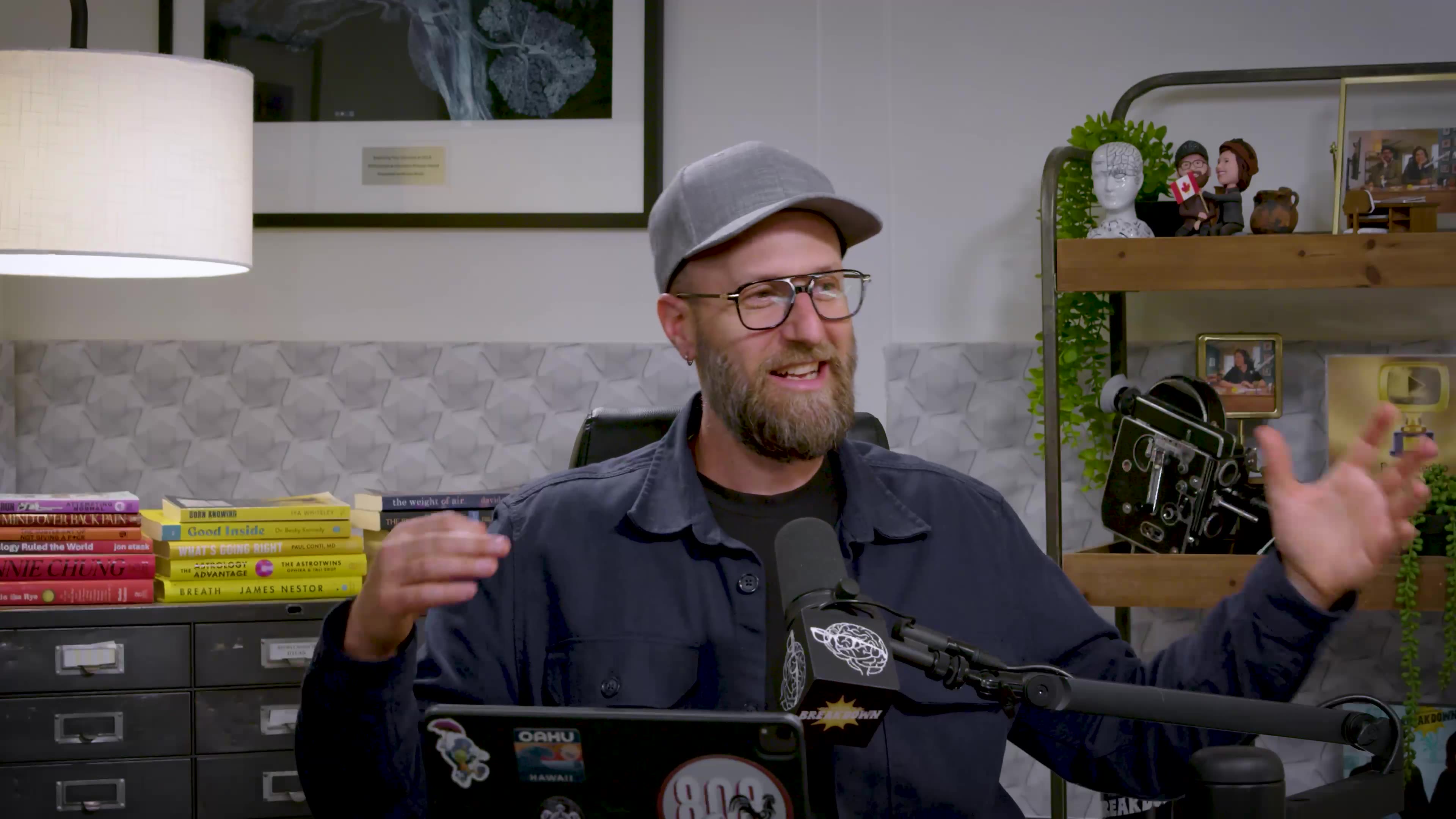
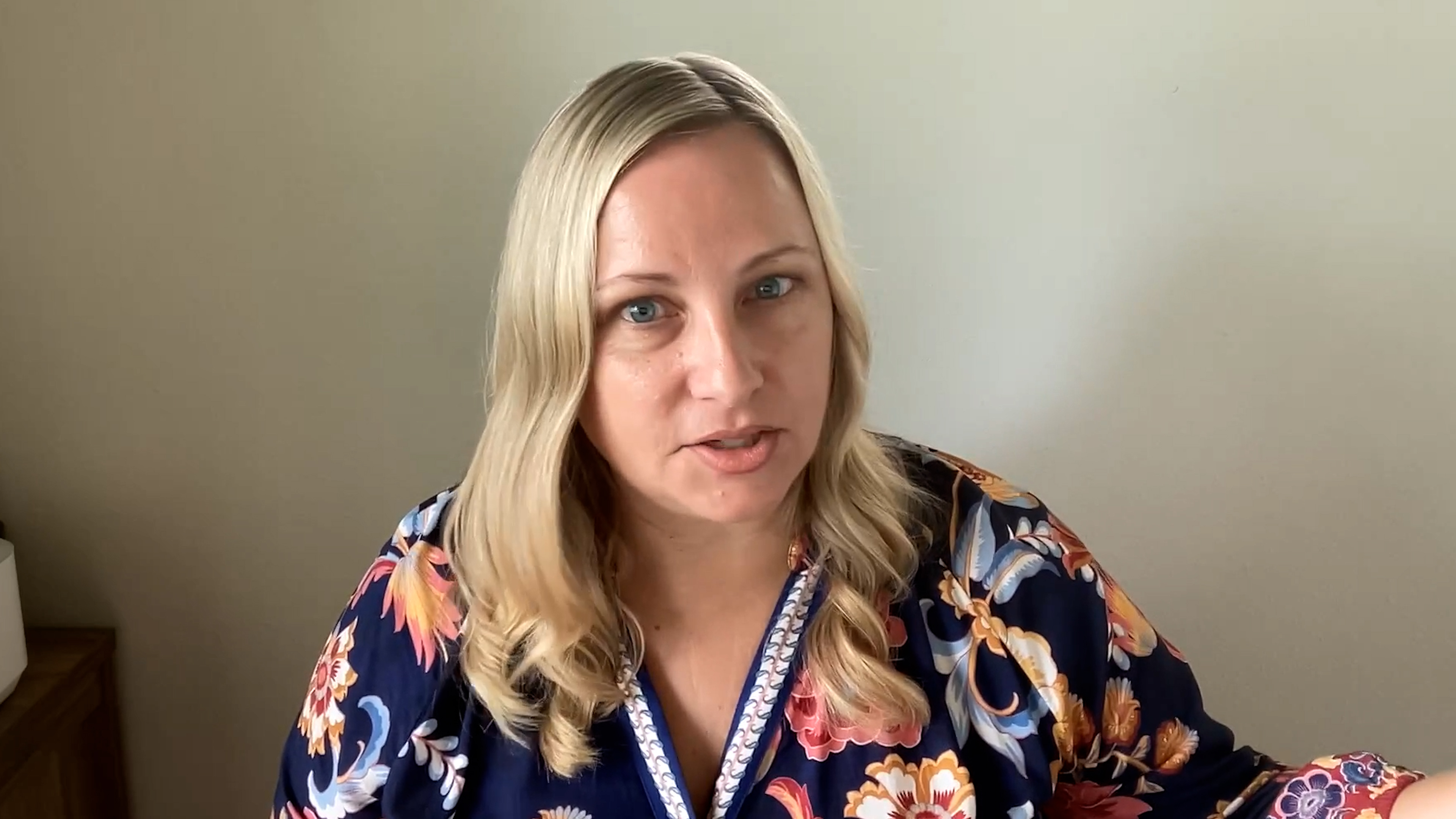
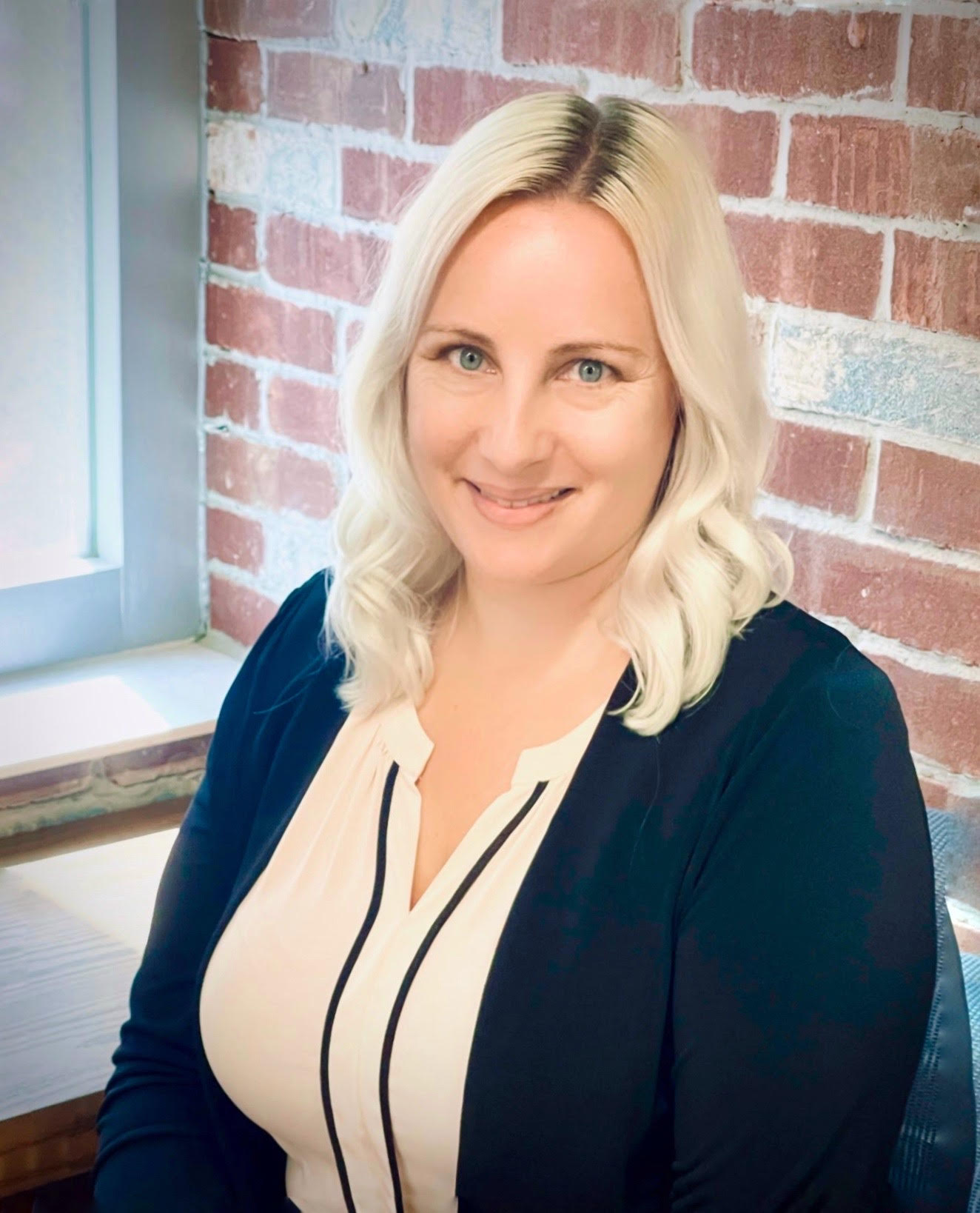
Former CIA Targeting Officer Sarah Adams reveals what she believes are some of the biggest national security threats facing the United States today, and why many Americans may have a false sense of security about the future.In this episode of Mayim Bialik's Breakdown, Sarah explains why the U.S. could be more vulnerable to terrorist attacks than many realize, whether the U.S. is currently facing an active terrorist threat, and how the same types of intelligence disconnects that contributed to 9/11 could still exist today. She breaks down why we need to rethink what a future homeland attack might actually look like, how terrorist organizations are evolving, and why groups like Al Qaeda may be more widespread than ever.Sarah shares shocking insights into sleeper cells operating within the U.S., foreign actors intentionally fueling political division to increase influence, the strategic relationship between Al Qaeda, Iran, and Syria, and why many terrorist groups are now organized around waves of coordinated attacks.She also discusses emerging security concerns, including airport vulnerabilities, the return of threats similar to the Shoe Bomb and the rise of "invisible" bombs, and what she believes went wrong from a security standpoint during the White House Correspondents' Dinner shooting incident.Drawing from years spent targeting some of the world's most dangerous terrorists, Sarah recounts how she helped capture the Taliban's number two leader, the intelligence work that made it possible, and what qualities allowed her to gather critical information in some of the most hostile environments on Earth.We also explore intelligence deception campaigns, how disinformation operations work, and the warning signs people should recognize when evaluating information online.Sarah reveals what it was like to interrogate Middle Eastern male detainees as a Western woman, how individuals become radicalized, and the indoctrination systems inside terrorist camps that determine whether recruits become fighters, suicide bombers, propagandists, or support personnel.She explains how corruption within humanitarian systems can allow resources to be diverted toward terrorist organizations and how ordinary people may unknowingly contribute to funding foreign terrorist camps.We also break downHavana Syndrome, alleged energy weapon incidents, reports involving an investigator connected to the Epstein case, and what is currently known (and still unknown) about these controversial claims.Sarah also discusses the role of social media algorithms in radicalization, whether platforms like TikTok are shaping the opinions of younger generations, and the broader information war being fought online.She opens up about living under a bounty, receiving threats from terrorist organizations, dealing with alleged surveillance around her home, and how she manages the psychological stress that comes with being a target. She shares practical advice on disaster preparedness, what average citizens can do to become more resilient during crises, and why the culture of terrorism has far more to do with ideology, power, and human behavior than religion itself.This conversation will challenge the way you think about terrorism, national security, online influence, and the risks that could define the next decade!